Today the Strait of Hormuz moved back to the center of investor attention. Reporting tied to the widening Iran conflict says attackers damaged several oil tankers and crews reported fatalities. Shipping sources also say roughly 150 vessels have anchored around the strait because operators do not want to take on extra risk. The Strait of Hormuz matters because it serves as a critical channel for global energy trade, moving a large share of the world’s seaborne oil and meaningful volumes of liquefied natural gas.
The biggest development on March 2, 2026 is the way shipping reacts when risk rises fast. Insurers, shipowners, and cargo firms all make decisions that can change costs in a single week. That decision chain explains why this story goes beyond geopolitics and into freight, insurance, and energy logistics.
This post sticks to what today’s reporting states about tanker damage, vessel congestion, and war risk coverage changes. It also explains why insurance timing can drive shipping costs even if production levels do not change overnight.
What happened around the Strait of Hormuz today
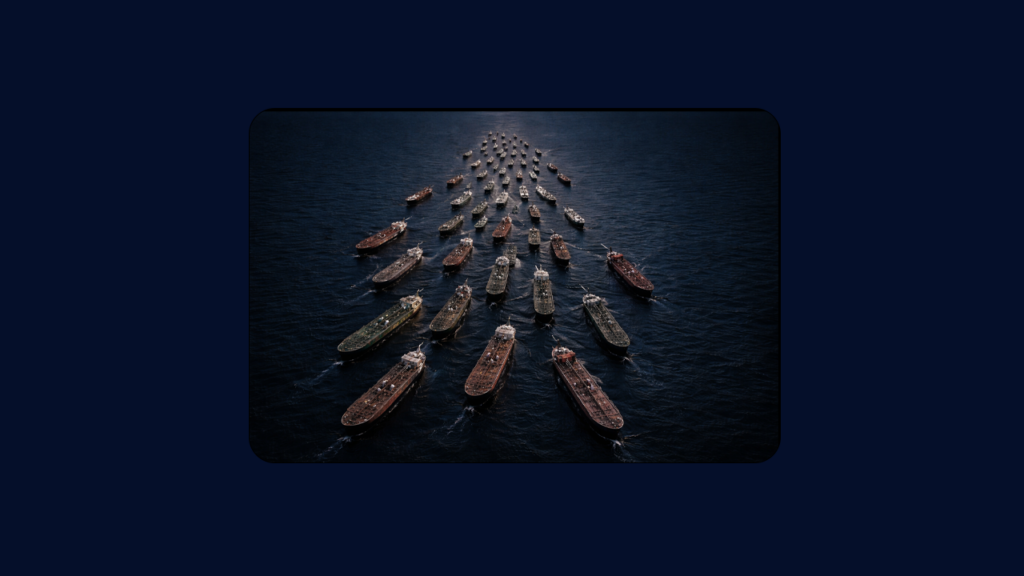
Reports today describe damage to several tankers linked to the latest escalation. Crews also reported fatalities. At the same time, shipping sources describe a large cluster of vessels waiting rather than transiting, with around 150 ships said to be anchored or stranded nearby. Congestion in a choke point quickly becomes its own story because the route depends on steady movement.
The strait connects major Gulf exporters with buyers across Asia and beyond. Any slowdown there forces shippers and cargo owners to rethink schedules and safety assumptions. That reality helps explain why the anchored fleet matters even before anyone confirms broader supply changes.
Some sources describe the anchored group as including both oil tankers and liquefied natural gas carriers. That detail matters because it touches more than one energy supply chain at once. It also keeps attention on shipping behavior rather than only on production headlines.
Damage changes fleet behavior quickly
When one ship takes damage in a high risk area, many operators turn more cautious. Captains pause for clearer guidance. Charterers reassess whether a voyage still makes sense. That shift can concentrate vessels near a narrow passage in a short period of time.
Today’s reporting supports one core point. Several tankers took damage, and a large number of ships did not move through the Strait of Hormuz as normal. Those facts create the conditions for higher shipping and insurance costs.
Why shipping insurance became the main story
Marine insurance stays invisible until coverage changes. Today it became visible because several major insurers issued cancellation notices for war risk cover tied to Iranian waters and surrounding Gulf waters. The notices cite an effective time of 00:00 GMT on March 5, 2026. That date gives the market a concrete marker to watch, because it can influence what ships attempt before the deadline and what they delay.
War risk cancellation does not automatically stop all sailing. It can, however, raise costs or limit options for operators who rely on standard coverage arrangements. Higher costs can feed straight into freight rates.
Reports also mention a Japanese insurer that halted underwriting for war risk policies tied to the region. That step adds to the picture of insurers stepping back as uncertainty rises.
Freight costs jumped on key routes
Shipping data and market reporting also point to sharply higher costs on routes linked to Gulf exports. One closely watched Middle East to Asia route shows a major surge, and reporting puts the spot cost for a very large crude carrier voyage near 12 million dollars. Those figures help explain why market participants focus on freight and insurance alongside the incident reporting.
A fact only takeaway for traders and investors
On March 2, 2026, today’s reporting centers on three elements. The first is tanker damage linked to the conflict and reports of fatalities among crew. The second is congestion, with roughly 150 vessels anchored or stranded around the Strait of Hormuz. The third is insurance, with major insurers issuing war risk cancellation notices that take effect at 00:00 GMT on March 5, 2026, alongside reports of sharply higher freight costs including a VLCC voyage cost near 12 million dollars.
These facts describe a shipping system under stress at a major chokepoint. Vessel movement, insurance availability, and freight pricing often update first in situations like this. If you want to follow the story without drifting into speculation, track those markers as new updates land.